Concrete Progressing Explained: The Benefits of Polyfoam and Traditional Mudjacking Approaches
Unequal concrete surface areas can pose safety and security dangers and diminish home value. Two usual remedies are mudjacking and polyfoam leveling, each with unique processes and benefits. Comprehending these approaches is vital for property owners dealing with concrete problems. The option between them can rely on numerous elements, including spending plan and ecological conditions. Exploring these options discloses important insights into effective concrete restoration. What could be the best fit for your details demands?
Recognizing Unequal Concrete Surfaces
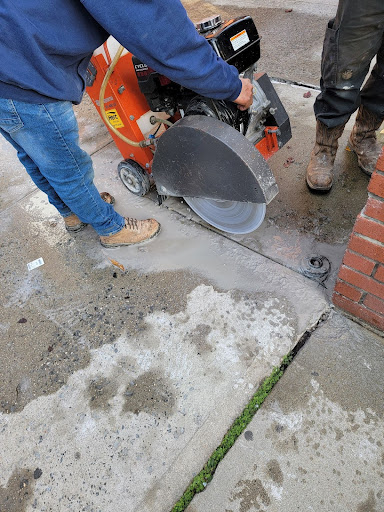
Additionally, irregular surfaces can result in water pooling, which exacerbates wear and tear on the concrete. This circumstance can add to more deterioration, requiring extra extensive fixings with time. Home owners and building supervisors frequently discover that resolving these concerns without delay is vital for preserving safety and security and aesthetic appeals.
Recognizing the causes and implications of irregular concrete is the initial action in figuring out effective remedies. Without intervention, these surface areas may proceed to break down, making it vital to recognize the significance of timely maintenance and fixing techniques.

What Is Mudjacking?
Mudjacking, also referred to as slabjacking, is a practical solution targeted at bring back the integrity of sunken concrete surface areas (mudjacking vs polyjacking). This method includes training and supporting concrete slabs that have settled because of soil disintegration or compaction. By injecting a mixture, normally including concrete, water, and other ingredients, beneath the concrete, mudjacking elevates the slab back to its initial position
This method is commonly preferred for its cost-effectiveness and performance contrasted to finish slab replacement. It can be related to different concrete frameworks, including driveways, walkways, and structures. Mudjacking not just addresses visual issues however likewise enhances security by getting rid of trip dangers and possible structural issues. Furthermore, it can prolong the life-span of the concrete by protecting against further damage. As a reliable technique, mudjacking remains to be a preferred choice among house owners and professionals looking for reliable concrete repair solutions.
The Process of Mudjacking
A thorough understanding of the mudjacking procedure is vital for effective concrete fixing. This method includes increasing sunken concrete slabs by infusing a slurry mixture underneath them. The process begins with piercing small openings right into the affected concrete surface, normally spaced regarding three feet apart. These openings act as entry factors for the shot of the slurry, which usually contains a mix of water, soil, and cement or various other accumulations.
Once the openings are pierced, a specialized pump infuses the slurry right into deep spaces below the piece. As the mix increases, it fills gaps and raises the concrete back to its initial setting. Cautious monitoring is necessary during this stage to guarantee an also protect against and lift damages. After the preferred altitude is attained, the holes are secured, and the surface is allowed to cure. This method is commonly preferred for its effectiveness and marginal interruption to bordering areas.
Benefits of Mudjacking
Mudjacking presents numerous advantages that make it a recommended option for concrete progressing - polyfoam concrete leveling. It provides a cost-efficient service contrasted to various other techniques, while likewise ensuring a quick installment process that minimizes disruption. In addition, mudjacking is taken into consideration an eco-friendly choice, using materials that lower waste and promote sustainability
Cost-efficient Solution
A significantly popular selection for concrete leveling, mudjacking provides an economical remedy for homeowners facing uneven surface areas. This approach includes injecting a mix of water, soil, and concrete under the concrete slab, raising it back to its original position at a portion of the cost of replacing the entire piece. Compared to other leveling strategies, mudjacking commonly calls for less materials and less labor, causing reduced total costs. In addition, it can deal with a variety of issues, such as settling, fracturing, and drainage issues, without the requirement for comprehensive repair services. Property owners appreciate that mudjacking not only conserves money however likewise extends the life of existing concrete frameworks, making it a useful choice for preserving home value.
Quick Installment Process
Home owners looking for a speedy remedy to unequal concrete surfaces frequently transform to mudjacking for its quick installation process. This approach entails infusing a mix of water, soil, and concrete underneath the concrete slab, permitting for instant training and stabilization. The whole procedure typically takes just a couple of hours, decreasing interruption to daily activities. Once the mud is injected, it promptly increases and solidifies, supplying a strong foundation without the lengthy curing times connected with other techniques. Furthermore, mudjacking needs marginal equipment and less labor, better speeding up the installation procedure. Therefore, house owners can appreciate recovered surface areas with very little downtime, making mudjacking an appealing selection for those looking for rapid repair work.
Ecologically Pleasant Option
While several concrete leveling approaches can be resource-intensive, mudjacking stands apart as an ecologically friendly choice. This strategy primarily utilizes a cement-based slurry, which can commonly be sourced locally, reducing transport discharges. Furthermore, given that mudjacking includes infusing a combination below existing concrete, it minimizes the demand for comprehensive excavation, protecting bordering greenery and soil honesty. The products used in mudjacking are commonly safe and do not launch dangerous chemicals into the atmosphere. In addition, the procedure itself creates minimal waste, often reusing existing concrete instead of throwing away it. Because of this, mudjacking not just properly addresses unequal surfaces yet additionally lines up with sustainable techniques, making it a liable choice for building proprietors concerned concerning ecological impact.
What Is Polyfoam Progressing?
Polyfoam leveling, a modern-day method to concrete training, makes use of an one-of-a-kind broadening foam product to raise sunken or unequal surfaces. This approach involves infusing a lightweight polyurethane foam underneath the concrete slab. Once infused, the foam broadens to load voids and gaps, providing a steady base and effectively raising the concrete back to its original degree. The process is relatively quick, typically permitting prompt use the surface area after application, lessening disturbance to the surrounding area.
Polyfoam progressing is known for its efficiency and efficiency, making it a prominent choice amongst service providers. The foam material is resistant to moisture and ecological factors, which adds to its durability. Furthermore, the light-weight nature of the foam decreases the danger of future settling contrasted to conventional techniques. As a result, polyfoam leveling becomes a feasible option for numerous applications, consisting of commercial and domestic concrete repair services.
The Advantages of Polyfoam Progressing
Polyfoam progressing uses numerous distinct advantages for concrete repair service. Its light-weight and sturdy nature, combined with a fast setup process, makes it a reliable choice for many tasks. Furthermore, its moisture-resistant homes add to long-lasting outcomes, enhancing general efficiency.
Light-weight and Durable
Concrete progressing using polyfoam supplies substantial benefits due to its durable and light-weight nature. Unlike typical mudjacking, which relies upon larger products, polyfoam preserves a low weight, decreasing the threat of further settling or damages to the underlying soil. This lightweight characteristic allows for simpler handling and application, making it a favorable choice for various projects.
Additionally, polyfoam is immune to water absorption and does not deteriorate in time, guaranteeing durable stability for concrete surface areas. Its longevity helps to preserve the architectural stability of the leveled location, even in altering climate conditions. Generally, the combination of background information lightweight properties and robust performance makes polyfoam a suitable remedy for efficient concrete progressing, supplying both long-term and instant benefits.
Quick Installment Refine
One of the standout attributes of making use of polyfoam for concrete progressing is the fast installation process it enables. Unlike standard mudjacking, which can call for extensive prep work and drying time, polyfoam can be applied quickly. The setup commonly involves exploration little openings right into the concrete and infusing the foam, which expands rapidly to raise the slab. This approach commonly allows for completion within a few hours, minimizing interruption to everyday activities. In addition, the light-weight nature of polyfoam implies that much less product is needed, even more simplifying the process. Home owners can return to regular use their surface areas nearly immediately after the application, making polyfoam an efficient selection for concrete leveling projects. Generally, the quick setup is a considerable advantage over typical methods.
Dampness Resistant Characteristics
Wetness resistance attracts attention as an essential benefit of polyfoam leveling in concrete repair work. Unlike standard mudjacking, which uses a cement-based slurry that is susceptible to water absorption, polyfoam is designed to repel dampness. This particular aids protect against concerns such as disintegration, mold and mildew growth, and additional settling of the concrete. The closed-cell structure of polyfoam guarantees that it stays secure and efficient also in wet settings (BAM Basements). Furthermore, polyfoam's lightweight nature minimizes the threat of additional stress on the existing concrete slab. This moisture-resistant home boosts the durability of the repair service, making polyfoam an attractive option for home owners and professionals looking for trustworthy, durable options for sunken or uneven concrete surfaces. Generally, polyfoam progressing uses an extra durable technique to concrete repair work
Choosing the Right Approach for Your Needs
When determining one of the most suitable method for concrete leveling, several elements enter into play. The particular condition of the concrete, the underlying reason of the settling, and the desired end result should all be thought about. Polyfoam injection is commonly liked for its quick application and very little interruption, making it ideal for houses. It likewise uses excellent moisture-resistant residential or commercial properties, which can be useful in wetter climates. Conversely, typical mudjacking may be better suited for larger industrial tasks or when managing significant voids under the piece, as it utilizes an extra durable remedy. Budget plan restraints can additionally influence the decision, as mudjacking generally sets you back much less than polyfoam techniques. Ultimately, seeking advice from a professional can supply beneficial insights, making sure that the chosen technique lines up with the specific needs and scenarios of the project, bring about long-term and efficient cause concrete progressing.
Regularly Asked Concerns
Just How Lengthy Does Mudjacking Typically Last Before Requiring Repairs?
Mudjacking usually lasts between 5 to 10 years prior to fixings are needed. Aspects such as dirt problems, environment, and the quality of the initial setup can influence the long life of the mudjacking procedure.
Is Polyfoam Leveling Ideal for All Sorts Of Concrete Surfaces?
Polyfoam progressing is generally ideal for different concrete surface areas, including pathways and driveways. Its effectiveness may differ depending on particular conditions and architectural needs, making analysis by a specialist necessary prior to application.
Can I Do Concrete Leveling Myself, or Should I Work with an Expert?
While some people might attempt concrete leveling themselves, employing a professional is often a good idea. Their knowledge warranties appropriate strategies and equipment are made use of, minimizing the danger of errors and potential long-term concerns connected with improper leveling.
What Are the Environmental Effects of Mudjacking and Polyfoam Methods?
Mudjacking typically entails concrete and water, which can add to carbon discharges. In comparison, polyfoam methods usually use lighter materials that may lower ecological impact, however they also raise issues concerning chemical leaching and long-lasting sustainability.
Just How Do Weather Problems Affect the Concrete Leveling Process?
Weather substantially affect the concrete progressing process. Severe temperatures can impact product setup times, while dampness degrees might influence healing. Furthermore, rainfall or snow can hinder tools ease of access and lengthen project timelines.